Castles in America: Discover the Most Fascinating U.S. Castles

Castles in America may not be medieval, but they’re far more fascinating than most travelers expect. While the United States lacks Europe’s long lineage of kings, queens, and fortified battlements, it is home to a surprising collection of castle-like estates, architectural experiments, grand Gilded Age mansions, and even one true royal palace.
From the storybook towers of Boldt Castle to the cliffside drama of Hearst Castle, from the vast French-inspired Biltmore Estate to the one-of-a-kind ʻIolani Palace in Hawaii, America’s castles reflect imagination, wealth, innovation, artistic vision, and a touch of romantic ambition.
This guide explores the origins of American castles, the eras and architectural styles that shaped them, and the best destinations across the U.S. where you can find these extraordinary structures. Whether you’re planning a road trip or simply love discovering architectural gems, America’s castles offer unexpected history, beauty, and brilliance at every turn.
Key Takeaways
- Castles in America stem from imagination, ambition, and wealth – not medieval defense.
- Most American castles were built during the mid-1800s through early 1900s, reflecting Gothic Revival, Romanesque, Gilded Age opulence, and European-inspired design.
- The U.S. features a diverse blend of Gilded Age mansions, stone fortresses, artistic creations, replicas, royal architecture, and historic estates.
- Top castle destinations include states like New York, California, North Carolina, Pennsylvania, Colorado, and Hawaii.
- Travelers can explore lavish interiors, ornate gardens, historic collections, whimsical towers, and dramatic architectural landscapes.
Historical Overview of Castles in America
Unlike Europe, where castles developed as fortified structures for defense, governance, and royal residence, America’s castles emerged from a very different context. By the time the United States was established, the medieval era was long over. Instead, American castles were built during the 19th and early 20th centuries, often reflecting wealth, personal ambition, romanticism, or a fascination with European aristocracy.
During the Gilded Age, industrial magnates – Vanderbilts, Astors, Hearsts, Carnegies – commissioned grandeur on an astonishing scale. Inspired by the châteaux of the Loire Valley, the palaces of England, and the Renaissance estates of Italy, they constructed lavish homes meant to impress, entertain, and symbolize status.
Other American “castles” emerged through more personal stories:
- Visionary individuals determined to build their dream fortress
- Artists and architects experimenting with medieval revival styles
- Families creating grand retreats in nature
- Communities preserving unique heritage sites
Together, these structures form a distinctly American version of castle culture – one rooted in imagination, wealth, craftsmanship, and architectural storytelling rather than monarchy or military strategy.
Notable Eras & Architectural Evolution
Gothic Revival Flourishes (mid-1800s)
In the decades before the Civil War, Americans embraced Gothic Revival architecture as a way to evoke the romance and mystique of medieval Europe. Wealthy families commissioned grand homes that featured pointed arches, battlements, decorative tracery, and vertical lines meant to imitate the silhouette of English manors. Rather than fortresses, these were statements of education, taste, and cultural aspiration. Estates like Lyndhurst Mansion embody this era, blending European inspiration with distinctly American craftsmanship.
Romanesque Revival & the Rise of Monumental Stonework (late 1800s)
As American cities industrialized, architects and patrons gravitated toward the drama and weight of Romanesque Revival styles. Inspired by the work of Henry Hobson Richardson, this movement favored heavy stone walls, rounded arches, cylindrical towers, and fortress-like massing. These structures weren’t defensive – rather, they conveyed stability, permanence, and bold artistic expression. Buildings like Hammond Castle reflect the era’s enthusiasm for strong, sculptural forms that feel both ancient and imaginative.
Gilded Age Opulence & the Birth of American “Castles” (1870–1915)
The Gilded Age marked the true beginning of America’s castle era. Industrial magnates, flush with unprecedented wealth, built sprawling estates modeled after French châteaux, Italian palazzi, and English country houses. These weren’t merely homes; they were cultural statements, designed to showcase sophistication, world travel, and artistic ambition. Biltmore Estate and Hearst Castle stand as the era’s most spectacular creations – grand, theatrical, and built with the help of leading architects, artisans, and landscape designers from around the world.
Arts & Crafts Individualism and the Artistic Castle (early 1900s)
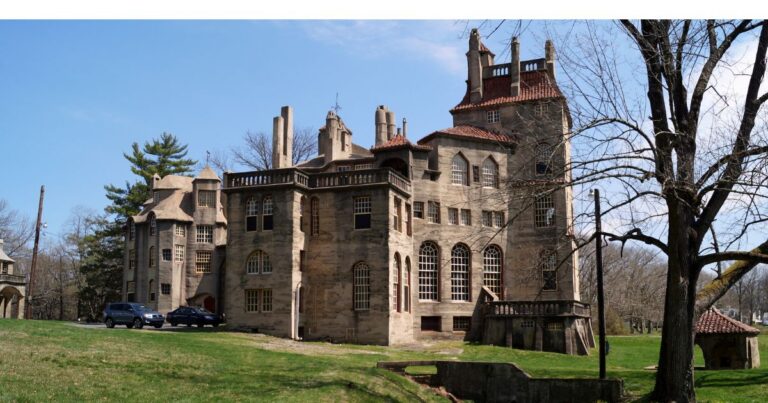
As the Gilded Age faded, some American castle builders turned inward, crafting deeply personal structures inspired by handcraft traditions and medieval romanticism. These castles often incorporated unusual materials, custom tiles, artistic flourishes, and unconventional layouts. They were less about grandeur and more about expression. Fonthill Castle, created by Henry Chapman Mercer as a celebration of pottery, history, and imagination, is a defining example of this artistic movement.
Eclectic 20th-Century Castles and Modern Replicas
In the 20th century, America saw a new wave of castle-inspired architecture – this time blending global influences into playful, often elaborate recreations. Some, like Castello di Amorosa, were built with meticulous attention to medieval building techniques. Others embraced romantic pastiche, combining European, Mediterranean, and even Middle Eastern aesthetics. These later creations continue the American tradition of treating castles as canvases for style, storytelling, and thematic design.
Royal Architecture in the Hawaiian Kingdom
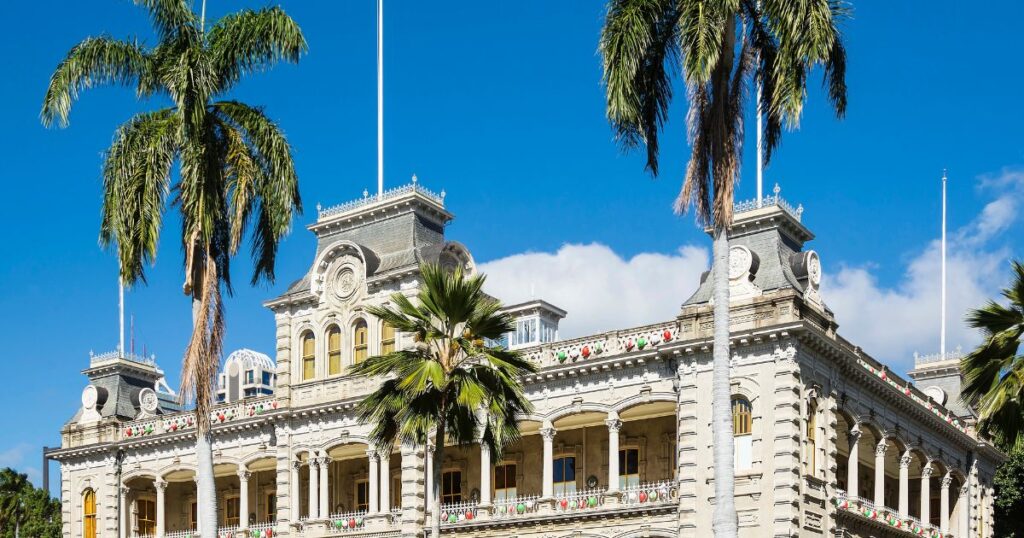
Distinct from mainland trends, Hawaii produced a true royal structure: ʻIolani Palace. Constructed in 1882 during the Kingdom of Hawaii, the palace blends indigenous motifs with Victorian and neoclassical influences. It stands as a rare example of American royal architecture, carrying deep cultural significance and representing a sovereign monarchy prior to U.S. annexation.
Architectural Styles & Design Elements in American Castles
American castles draw from a remarkable range of architectural traditions, resulting in structures that feel familiar yet distinctly original.
Gothic Revival Influence
Many 19th-century estates borrowed heavily from English Gothic architecture, incorporating pointed arches, steep gables, tracery windows, and ornamental stonework. These features were meant to evoke the romance of medieval Europe, offering drama and decorative flourish rather than military function. Interiors often included vaulted ceilings, ornate wood carving, and stained glass inspired by European ecclesiastical design.
Romanesque Massing and Medieval Cues
Romanesque-inspired castles emphasize weight and permanence through thick walls, rounded arches, and imposing towers. Their deep-set windows and heavy masonry create silhouettes similar to medieval fortresses. Although purely decorative, these elements give American castles a timeless, monumental quality, blending medieval European inspiration with American scale and creativity.
French Renaissance & Châteauesque Grandeur
The Gilded Age elite frequently modeled their estates after the châteaux of France’s Loire Valley. Mansard roofs, tall chimneys, ornate dormers, elaborate skylines, and formal French gardens define this style. The interiors embrace opulence – grand staircases, barrel vaults, detailed plasterwork, and lavish salons modeled after French aristocratic homes.
Mediterranean & Spanish Revival Elements
Particularly prominent in California, this style introduces arcaded courtyards, red tile roofs, stucco façades, and colonnaded terraces. Hearst Castle epitomizes this blend, incorporating Mediterranean motifs with Renaissance and Baroque elements to create a theatrical, sun-drenched architectural collage.
Arts & Crafts & Artistic Expression
Some American “castles” were built not by aristocrats but by artisans who created deeply personal structures. Exposed timber, handmade tiles, poured concrete, and whimsical floorplans characterize these castles. They often include irregular stairways, unique fireplaces, mosaic details, and storytelling elements that reflect the builder’s creative spirit.
Royal Hawaiian Architecture
ʻIolani Palace incorporates Victorian influences while also including Hawaiian craftsmanship – intricate woodwork, wraparound verandas, large reception halls, and the unique “American Florentine” style. This palace showcases the blending of indigenous Hawaiian and global architectural traditions.
Where You’ll Find America’s Castles
While the U.S. has no medieval castle belt, certain regions became hubs for castle-like estates due to economic growth, artistic movements, or historical circumstances.
New York
New York, especially the Hudson Valley and the Thousand Islands region, became a center for castle building during the 19th and early 20th centuries. The wealth of industrial families, easy access to the Hudson River (America’s original “estate row”), and the romantic appeal of island-building led to iconic creations like Boldt Castle, Bannerman Castle, and Lyndhurst Mansion. The region’s landscapes helped inspire grand architectural statements.
For a full overview of the state’s most notable castles and historic estates, see my complete guide to Castles in New York.
California
California’s castle culture emerged from its pioneering spirit and the explosive rise of Hollywood and media wealth. Hearst Castle became the west coast’s ultimate symbol of glamour and abundance. The Mediterranean climate also made European-inspired architecture feel natural here, giving rise to estates with Spanish Revival, Italianate, and Gothic elements.
North Carolina
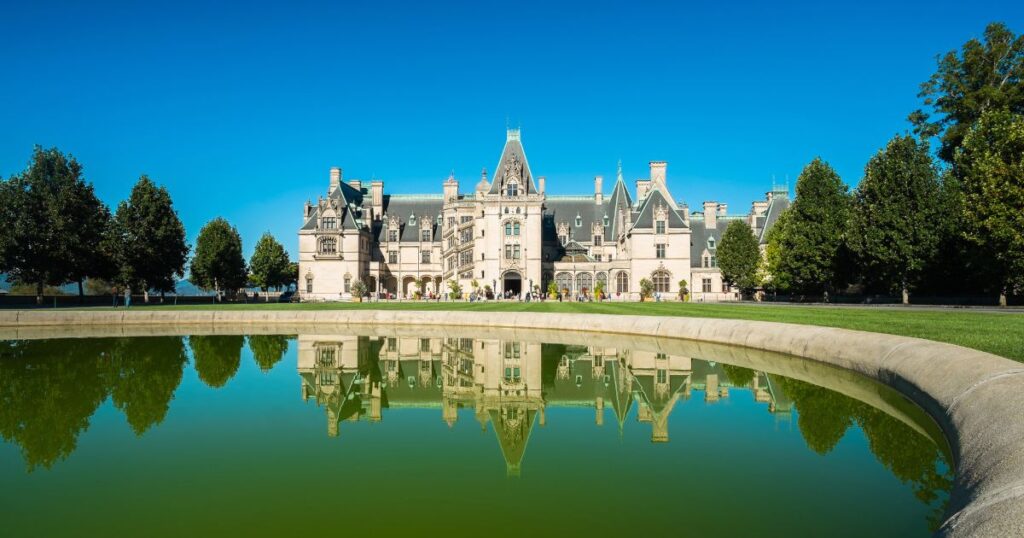
North Carolina’s castle fame rests on the Biltmore Estate, built by George Vanderbilt as a country retreat amid the Blue Ridge Mountains. The region’s serene landscapes and the desire of wealthy northerners to build elaborate seasonal homes helped create America’s most famous château-style estate.
Pennsylvania
Pennsylvania became an unlikely hotspot for artistic and romantic castles thanks to the Arts & Crafts movement and strong cultural appreciation for historic European design. Fonthill Castle and Grey Towers reflect a blend of craftsmanship, storytelling, and historical fascination.
Colorado
Colorado’s rugged landscapes inspired individualists and dreamers – leading to Bishop Castle, a hand-built fortress crafted by one man over decades. The state’s pioneering culture fostered an environment where unconventional architecture could flourish.
Hawaii
Hawaii’s ʻIolani Palace stands alone as the only true royal palace in the United States, built during the Hawaiian monarchy. Its presence reflects a deep cultural heritage, sovereign history, and architectural blending unique to the islands. Hawaiʻi’s royal palace stands apart from continental trends, offering a rare glimpse into an independent monarchy and a cultural landscape unlike any other in the United States.
Top Castles to Visit in America
Biltmore Estate (North Carolina)
The grand French-style mansion of the Blue Ridge Mountains, built by George Vanderbilt. This 250-room estate features lavish European interiors, extensive gardens, and sweeping mountain views.
Hearst Castle (California)
California’s legendary hilltop palace overlooking the Pacific. Designed by Julia Morgan for William Randolph Hearst, it blends Mediterranean, Spanish Revival, and European opulence into a cliffside masterpiece.
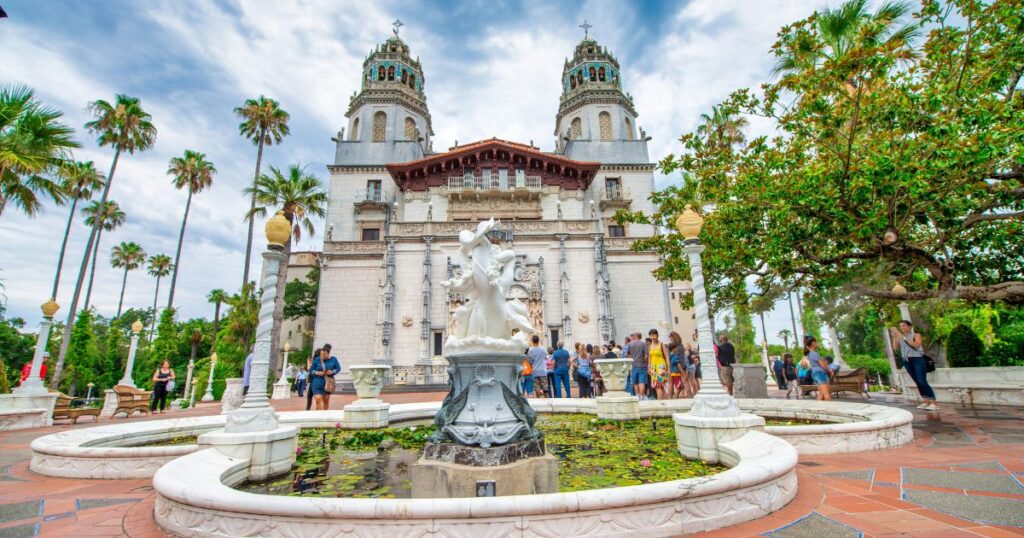
Boldt Castle (New York)
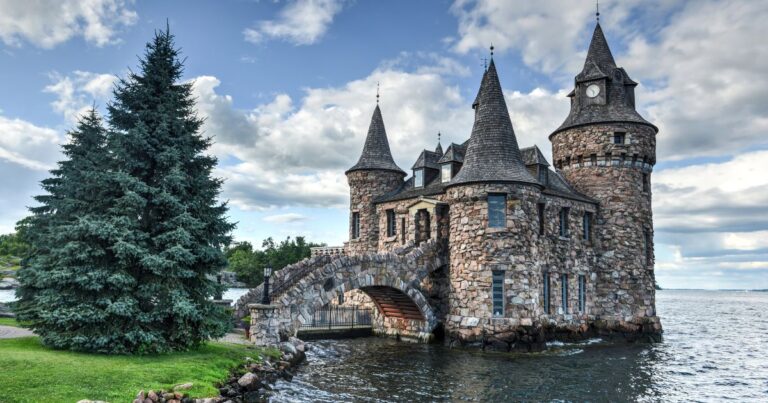
A romantic island castle in the Thousand Islands region, originally built as a love letter from millionaire George Boldt to his wife. Accessible only by boat and beautifully restored.
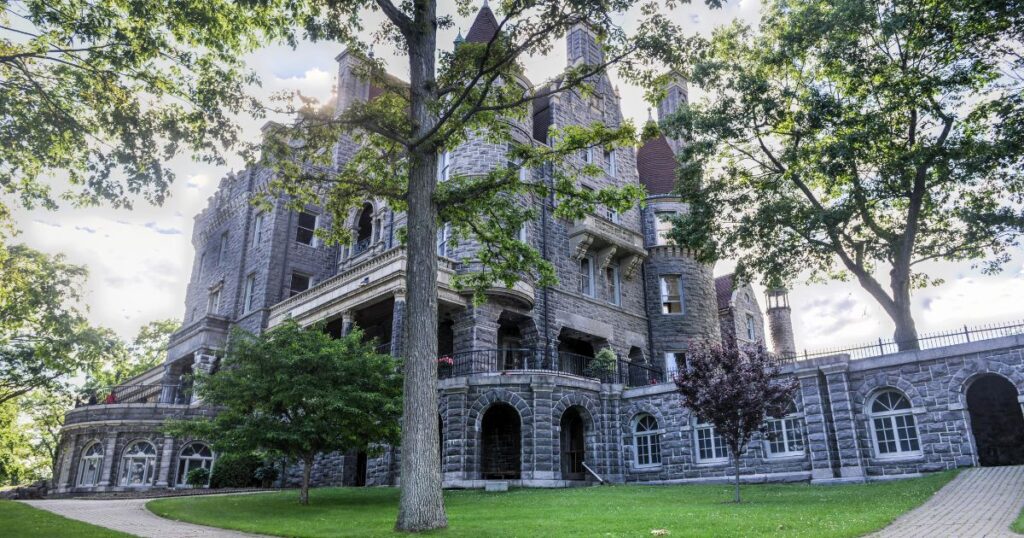
ʻIolani Palace (Hawaii)
The only royal palace in the United States, blending Western Victorian influences with Hawaiian cultural design. Once the seat of the Hawaiian monarchy.
Lyndhurst Mansion (New York)
A Gothic Revival treasure along the Hudson River, known for its pointed arches, towers, elaborate interior details, and sweeping historic grounds.
Fonthill Castle (Pennsylvania)
An artistic poured-concrete masterpiece built by Henry Chapman Mercer. Filled with handcrafted tiles and whimsical medieval-inspired design.
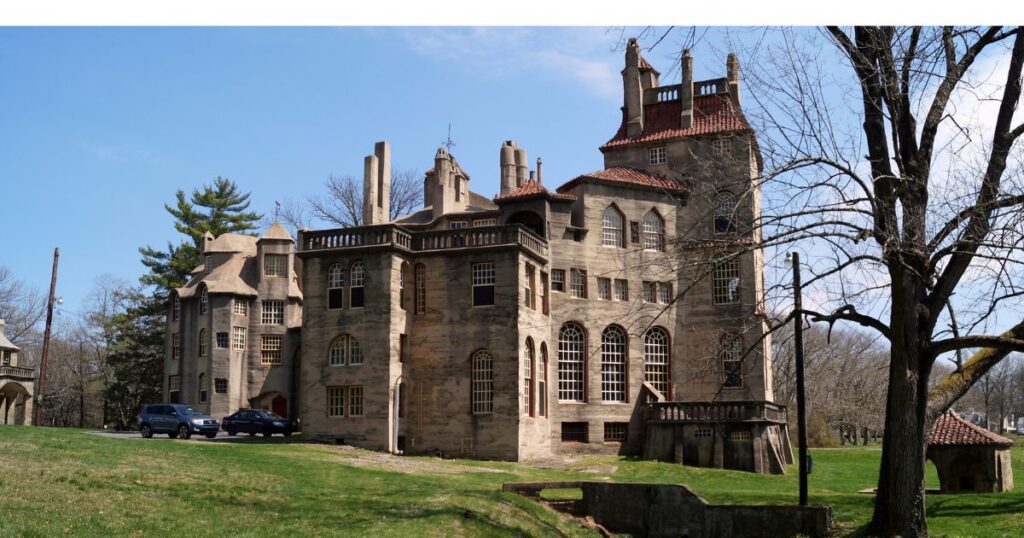
Bishop Castle (Colorado)
A hand-built stone fortress created over decades by Jim Bishop. Quirky, dramatic, and unforgettable, with wrought-iron walkways and soaring towers.
Hammond Castle (Massachusetts)
A coastal medieval-style castle built by inventor John Hays Hammond Jr., combining Romanesque and Gothic features with spectacular ocean views.
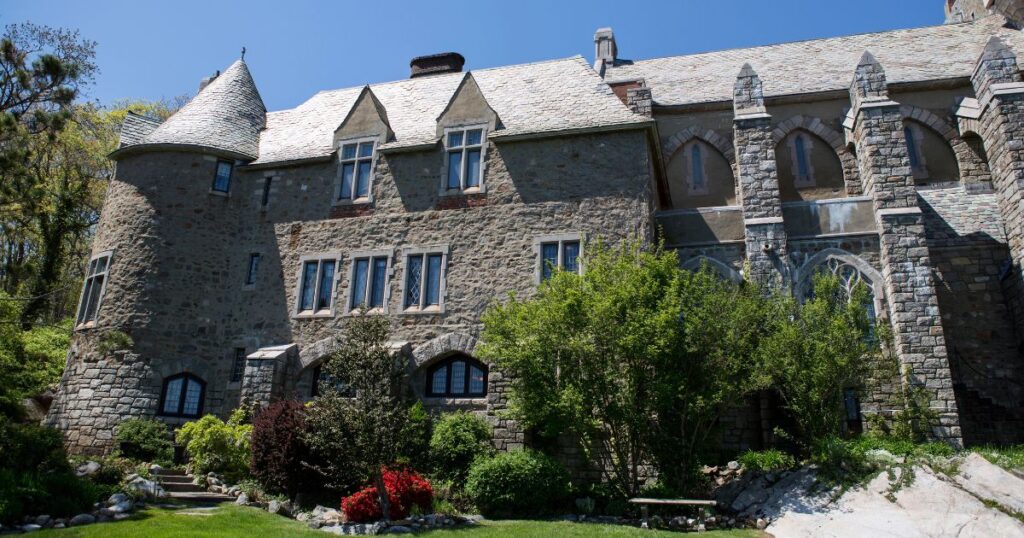
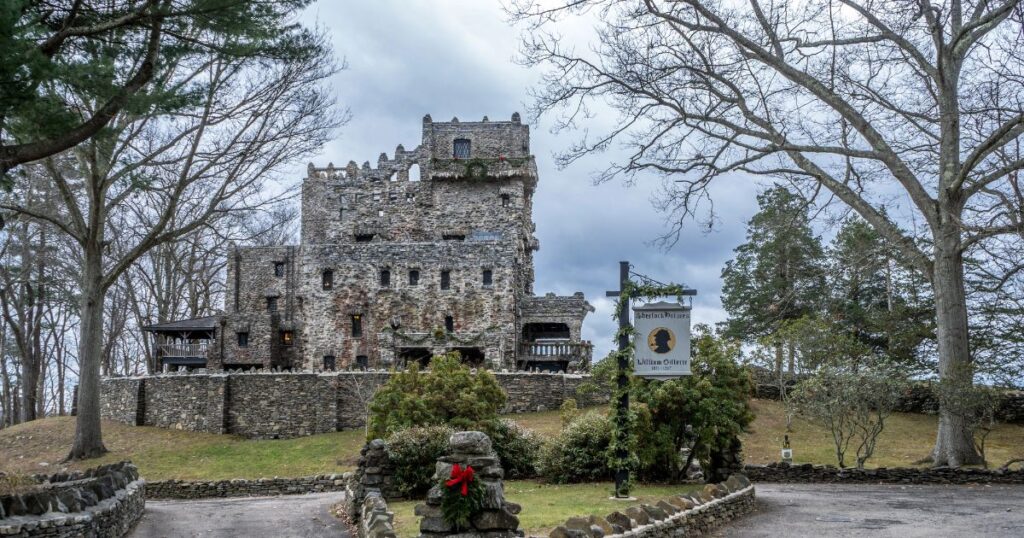
Gillette Castle (Connecticut)
A unique stone estate built by actor William Gillette, known for portraying Sherlock Holmes. Features hidden mechanics, puzzles, and woodland trails.
Castello di Amorosa (California)
A fully constructed medieval-style Tuscan castle and winery in Napa Valley, built using traditional techniques and filled with artisan-made details.
Other Noteworthy American Castles
Beyond the most visited sites, the U.S. is home to many smaller or lesser-known castles that offer history, architecture, or scenery worth exploring.
- Bannerman Castle (New York) – A dramatic, partially ruined island arsenal built in a romantic Scottish Baronial style.
- Grey Towers (Pennsylvania) – A French château-inspired mansion surrounded by formal gardens and forested landscapes.
- Castello di Montebello (Ohio) – An imposing stone structure inspired by Italian castles.
- Squire’s Castle (Ohio) – A picturesque gatehouse designed in a Norman style, set within a public park.
- Castle Farms (Michigan) – A historic French Normandy–style estate originally built as a model farm and later restored into an elegant event venue.
- Thornewood Castle (Washington) – An English Tudor Gothic mansion built from imported European architectural elements, now a historic inn.
Castle Gardens & Landscapes in America
While America doesn’t possess the centuries-old landscaped grounds found at Europe’s royal residences, many American estates cultivated gardens that rival continental splendor. These landscapes often reflect the tastes of wealthy patrons, the creativity of their designers, and the natural drama of U.S. geography.
Gilded Age Formal Gardens
Estates like Biltmore imported principles from Europe’s great gardens. Frederick Law Olmsted, America’s most influential landscape architect, designed rolling meadows, wooded paths, Italian-style terraces, and formal flower beds to complement the estate’s French château design. These gardens blend artistry with the surrounding mountain environment, creating a uniquely American interpretation of European elegance.
Mediterranean-Inspired California Grounds
Hearst Castle’s terraces, Neptune Pool, Roman Pool, and palm-lined walkways reflect the warm Mediterranean climate that shaped California’s architectural scene. With sweeping views of the Pacific and gardens filled with citrus, cypress, and roses, the landscape echoes classical estates – dramatic, sunlit, and perfectly theatrical.
Whimsical & Artistic Garden Spaces
Castles like Fonthill and Hammond showcase gardens designed not for grandeur, but for mood and personality. These landscapes feature hidden pathways, handcrafted structures, forested trails, and unexpected details that reflect the creativity of their builders.
Natural Landscapes as Castle Settings
In states like Colorado and Hawaii, the natural environment becomes the garden. Bishop Castle rises from the Rocky Mountains like something dreamed into existence, while ʻIolani Palace sits within manicured grounds bordered by tropical trees, an elegant balance between royal architecture and island landscape.
Together, these gardens tell a story of American artistry – borrowing from European tradition yet unmistakably shaped by local climate, culture, and landscape.
Castle Restoration & Preservation in America
American castles may be younger than their European counterparts, but many have undergone decades of restoration, preservation, and care to ensure their stories endure.
Restoring Gilded Age Splendor
Biltmore Estate and Hearst Castle have both required ongoing restoration of interiors, artwork, textiles, and architectural elements. Conservation teams work year-round to preserve historic furniture, re-create original fabrics, and maintain priceless collections. Roofs, terraces, and structural sections are continually reinforced to withstand modern weather and tourism.
Rebuilding from Ruins
Some American castles were abandoned or left unfinished before later restoration efforts revived them. Boldt Castle, unfinished for decades after the death of George Boldt’s wife, has undergone extensive reconstruction – including completion of rooms, preservation of stonework, and modernization of visitor access—while remaining faithful to Boldt’s original vision.
Cultural Preservation in Hawaii
ʻIolani Palace is one of the most significant restoration projects in American history. Once used as administrative offices after the overthrow of the Hawaiian monarchy, the palace was painstakingly restored to its original royal appearance. Preservation efforts continue today to honor Hawaiian heritage and educate visitors about the kingdom’s history.
Community-Driven Preservation
Some castles, such as Bannerman Castle and Bishop Castle, rely on grassroots, community, or nonprofit organizations to manage restoration. Volunteers stabilize walls, rebuild sections of towers, and create safe visitor pathways – true labors of love that keep these landmarks accessible.
Adaptive Reuse & Preservation
Other castles have found new lives as museums, event spaces, inns, or educational centers. This adaptive reuse ensures financial sustainability while protecting architectural heritage for future generations.
American castles connect visitors to craftsmanship, architecture, and the aspirations of previous generations. Beyond rebuilding walls or restoring rooms, the preservation movement reflects a cultural commitment to honoring beauty, history, and the enduring stories these places hold. Every restoration effort – whether led by experts, volunteers, or local communities – helps ensure that America’s castles continue inspiring future generations. For more on preservation initiatives across the United States, visit the National Trust for Historic Preservation.
Notable Figures & Events
These individuals and moments played a significant role in the creation, preservation, or cultural impact of America’s castles:
- George Vanderbilt – Visionary behind Biltmore Estate, whose patronage of architecture, landscape design, and the arts helped shape American château culture.
- William Randolph Hearst – The media magnate whose collaboration with architect Julia Morgan resulted in Hearst Castle, one of the most ambitious private estates ever created.
- Julia Morgan – The pioneering female architect who designed Hearst Castle and numerous other influential California structures.
- George Boldt – Hotelier who built Boldt Castle as a love letter to his wife, leaving behind one of America’s most romantic architectural stories.
- Henry Chapman Mercer – Artist, archaeologist, and craftsman behind Fonthill Castle, whose handcrafted tiles and poured-concrete design made the castle a monument to creativity.
- The Kings and Queens of Hawaii – Including King Kalākaua, who commissioned ʻIolani Palace as the seat of the Hawaiian monarchy, blending tradition with innovation.
- Jim Bishop – The singular force behind Bishop Castle, an individual who spent decades building a stone fortress by hand, creating one of America’s most remarkable grassroots architectural achievements.
Castles in Modern American Culture
American castles continue to influence popular culture, tourism, and storytelling today.
Film & Television Locations
Many castles serve as striking backdrops for movies, documentaries, and television series. For example:
- Biltmore has appeared in films ranging from historical dramas to modern thrillers.
- Hearst Castle’s opulent interiors often feature in documentaries on architecture and design.
- Thornewood Castle in Washington has been used in films, miniseries, and fantasy productions.
Cultural Icons & Tourism
Castles like Hearst, Biltmore, and Boldt have become signature American landmarks, drawing millions of visitors each year. They function as museums, cultural centers, and historic sites that preserve architecture, art, and landscape design.
Weddings, Events & Experiences
Many American castles offer unique settings for weddings, private events, and photography. Their blend of European elegance and American storytelling creates a dramatic atmosphere for modern celebrations.
Education & Interpretation
Castles across the U.S. present exhibitions on art, history, craftsmanship, social culture, the Gilded Age, and architectural movements. Several sites run guided tours, seasonal events, and educational programs for schools and visitors of all ages.
Cultural Traditions Linked to Castles
Although castles in America are not tied to medieval monarchies, they still hold cultural importance and are associated with:
Romance & Storytelling
Many American castles were inspired by romantic gestures—Boldt Castle being the most famous example. Their architecture often sparks engagement proposals, wedding photography, and romantic tourism.
American Royalty, Hawaiian Style
ʻIolani Palace represents the rich heritage of the Hawaiian Kingdom. Ceremonies, cultural events, and historical commemorations continue today, honoring Hawaii’s sovereign past.
Celebrations & Festivals
Some castle sites host holiday markets, medieval-themed festivals, art shows, garden parties, and seasonal events that celebrate creativity, history, and local culture.
Planning Your Castle Tour in America
Exploring castles in the United States is often less about following a concentrated “castle region” and more about planning visits around specific states or travel routes. Fortunately, many of America’s most notable castles are near major cities, scenic drives, or popular vacation destinations – making it easy to build them into a trip.
Plan Around States with Multiple Castles
New York, California, and Pennsylvania offer several castle sites within manageable driving distance. These make excellent weekend getaways or themed road trips, especially if you’re interested in combining architecture, museums, and historical parks.
Consider Seasonal Travel
Many American castles look especially striking in specific seasons.
- Fall foliage adds dramatic color around Northeastern estates like Lyndhurst or Gillette Castle.
- Spring and early summer bring floral displays at Biltmore and Hearst Castle’s terraced gardens.
- Winter offers peaceful, crowd-free visits – ideal for photography or quieter tours.
Book Tours in Advance
Major estates such as Hearst Castle and Biltmore often operate timed-entry tours, especially during holidays or peak travel seasons. Early reservations ensure access to specialty tours and limited-access areas.
Combine Castles With Regional Highlights
Because American castles are rarely isolated from other attractions, consider pairing them with:
- national parks
- coastal drives
- wine regions
- historic downtowns
- art museums and cultural centers
A castle stop often adds something unexpected and unforgettable to a larger American itinerary.
Practical Tips For Visiting Castles In America
Visiting castles in the United States is less about navigating ancient fortresses and more about exploring historic estates, artistic architectural projects, and beautifully preserved cultural landmarks. Because each American castle has its own personality – some polished and museum-like, others quirky and entirely unique – it helps to plan ahead. Whether you’re touring a grand Gilded Age mansion or hiking up to a handcrafted stone tower, these tips will help you make the most of your visit.
Trip Planning Essentials
Plan around geography:
U.S. castles are widely dispersed, so most itineraries focus on a single state or region such as New York, California, or North Carolina. Each offers several sites within reasonable driving distance.
Reserve tours early:
Major estates like Biltmore and Hearst Castle often require timed-entry tickets, especially during holidays or peak seasons. Booking in advance ensures you’ll access specialty tours and limited areas.
Check seasonal hours:
Many castles adjust schedules throughout the year. Winter months may bring reduced hours, while summer expands touring options, outdoor exhibits, and special events.
Look for multi-site passes:
Regions with multiple historic estates sometimes offer combined admission tickets, making it easier – and more affordable – to visit several sites in one trip.
Budget for add-ons:
Parking, shuttle transport, gardens, wine tastings, behind-the-scenes tours, and audio guides may carry additional fees beyond general admission.
On-Site Advice & Insider Insights
Wear comfortable shoes:
Expect stairs, long hallways, uneven flooring, and extensive outdoor grounds. Many American castles require a fair amount of walking to fully explore.
Check accessibility in advance:
Because these structures predate modern standards, elevator access may be limited and some areas are reachable only by narrow staircases. Websites typically outline mobility considerations clearly.
Follow photography rules:
Most sites allow photography indoors and out, but flash, tripods, and certain rooms may be restricted. Always check posted guidelines or ask staff.
Prepare for weather:
From coastal breezes to mountain elevation changes, outdoor spaces can vary widely. Bring water, sun protection, or layers depending on the season.
Ask questions:
Guides and docents often share fascinating behind-the-scenes information not included on signage or audio tours, especially about restoration, original owners, or architectural details.
Take your time:
American castles reward slow exploration. Intricate woodwork, tile, glass, and decorative elements are easy to miss, and the grounds often reveal some of the best views.
Frequently Asked Questions About Castles In America
Are there real medieval castles in America?
No. America does not have true medieval castles because the U.S. was founded long after the medieval era. However, it does have castle-like estates, Gilded Age mansions, replicas, artistic fortresses, and one true royal palace in Hawaii.
What is the most famous castle in America?
Biltmore Estate in North Carolina is the most visited and widely recognized American castle. Hearst Castle in California is a close second and is often considered the most dramatic.
Which state has the most castles?
New York has the highest concentration of castle-like structures, thanks to Hudson Valley estates and the Thousand Islands region.
Can you stay overnight in any American castles?
Yes—some, like Thornewood Castle in Washington, operate as historic inns or boutique hotels. Most major castles (Biltmore, Hearst, ʻIolani) do not offer overnight stays on the property, though nearby luxury accommodations are available.
Why were American castles built?
Mostly for aesthetic, cultural, and personal reasons—wealthy families during the Gilded Age sought to emulate European architecture, while some castles were artistic or romantic projects built by individual creators.
Are American castles good for kids?
Yes – many offer family-friendly tours, open grounds, gardens, and special events. However, some locations (like Bannerman Castle or Bishop Castle) involve uneven footing and require caution with young children.
Conclusion
While the United States may not have medieval fortresses or centuries-old royal dynasties, it offers something entirely its own – a collection of imaginative, ambitious, and architecturally remarkable estates that reflect the creativity and aspirations of the people who built them. From the Gilded Age splendor of Biltmore and Hearst Castle to the romantic island setting of Boldt Castle, from artistic creations like Fonthill to the cultural significance of ʻIolani Palace, America’s castles tell stories of innovation, expression, and identity.
Exploring castles in America invites travelers to expand their understanding of what a “castle” can be. These structures blend history, artistry, extravagance, and effort into experiences that are both uniquely American and universally enchanting.
Whether you’re drawn to opulent mansions, dramatic landscapes, or handcrafted stone towers, America offers castle adventures that surprise, inspire, and stay with you long after your visit.