Schwerin Castle: A Complete Guide to Germany’s Fairytale Lakeside Palace

Schwerin Castle isn’t just beautiful – it’s one of the most breathtaking palaces in Europe. Rising from a small island in Lake Schwerin, this shimmering, turreted masterpiece blends romantic architecture, royal Prussian history, and sweeping landscaped gardens into a setting so magical it’s often called “Neuschwanstein of the North.”
After decades spent exploring Europe’s palaces, fortresses, historic estates, and UNESCO sites, I can say confidently: Schwerin Castle is one of Germany’s most unforgettable places to visit. This updated guide brings together everything travelers should know – its history, highlights, gardens, nearby attractions, and practical tips for planning a seamless visit.
Historical Snapshot
- Location: Schwerin, Mecklenburg-Vorpommern, Northern Germany
- Founded: 10th century (fortifications), 19th century palace reconstruction
- Architectural Style: Historicist / Romantic Revival with Neo-Renaissance influences
- Famous For: Its lakeside island setting, golden domes, lavish interiors, landscaped gardens
- Best For: Palace lovers, photographers, architecture enthusiasts, nature travelers, families
Planning a broader trip through the region?
Explore more historic sites on our German Castles Page.
Table of Contents
Historical Overview
Schwerin Castle has been a seat of power for more than a thousand years, beginning with Slavic fortifications built on the island in the 10th century. Its transformation into the fairytale palace we see today came much later – in the mid-1800s – when Grand Duke Friedrich Franz II commissioned a lavish redesign to reflect the prestige of Mecklenburg’s ruling family.
The inspiration?
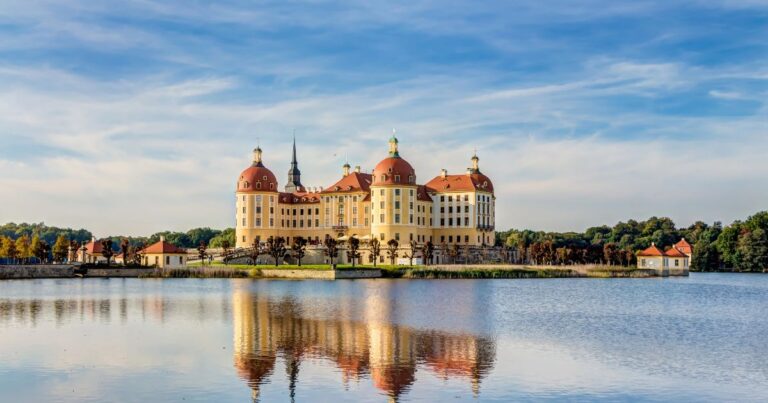
French Renaissance palaces, especially Château de Chambord and other Loire Valley masterpieces. That influence is clear in Schwerin’s turrets, sculpted façades, and elegant lakeside placement.
If you’re interested in exploring more historic fortresses across the country, visit our full Castles in Germany Guide.
Early History (10th–17th centuries)
- Originally a Slavic stronghold
- Later became the residence of the Dukes of Mecklenburg
- Medieval fortifications expanded into a Renaissance-style residence
19th-Century Grand Redesign
Between 1843 and 1857, a team of prominent architects — including Gottfried Semper and Friedrich August Stüler — transformed Schwerin Castle into one of the grandest palaces in Northern Europe. The redesign emphasized:
- ornamental towers
- gilded domes
- sculpted façades
- sweeping grand rooms
- richly decorated private chambers
Modern Era
Today the palace houses:
- a major museum showcasing royal Mecklenburg history
- the parliament of Mecklenburg-Vorpommern
- restored state rooms
- extensive gardens and lakefront walking paths
It remains one of Germany’s most photographed palaces – and a highlight of any Northern Germany itinerary.
Architectural and Design Highlights
Schwerin Castle captures the Romantic 19th-century fascination with historic grandeur, blending Renaissance-inspired design, Baroque flourishes, and dreamy island scenery.
Key Features
Fairytale Silhouette
Turrets, domes, balconies, and sculptural ornamentation create one of Europe’s most striking palace exteriors.
The Golden Dome
Perhaps the most recognizable feature, gleaming above the main tower.
Neo-Renaissance Façades
Symmetrical windows, pilasters, sculpted reliefs, and ornate rooftop details.
Grand Staircase Hall
A dramatic multi-level staircase with marble columns and sweeping balustrades.
The Throne Room
One of the palace’s most opulent interiors, featuring gold accents, chandeliers, and rich fabrics.
The Orangery & Gardens
Terraced promenades, manicured lawns, flowerbeds, and tree-lined avenues enhance the lakeside setting.
Interior Style
Rooms combine late Baroque influence, 19th-century luxury, and original Mecklenburg furnishings:
- carved wood ceilings
- gilt mirrors
- velvet and brocade upholstery
- royal portraits
- elaborate fireplaces
- ornate parquet floors
Schwerin feels both majestic and intimate – a rare combination in large palatial complexes.
Inside Schwerin Castle: What You’ll See

Most of the palace’s rooms are open via the museum entrance. Highlights include:
The Grand Dukes’ Apartments
Lavishly decorated rooms featuring royal portraits, ceremonial furnishings, and personal artifacts.
The Throne Room
One of the most impressive royal spaces in Northern Germany, with soaring ceilings and rich gold detail.
The Antechambers
A series of connecting rooms filled with ornate wallpaper, chandeliers, and historical displays.
The Porcelain Room
A dazzling display of fine porcelain from European royal collections.
The State Hall
Once used for royal ceremonies, now beautifully preserved with frescoes and decorative molding.
The Armoury & Historical Exhibits
Showcasing the military and administrative history of the Mecklenburg ducal family.
Views from the Palace Windows
Some of the best views in Germany – the surrounding lakes sparkle like a moat that stretches to the horizon.
Schwerin Castle Gardens and Grounds
The palace’s gardens are among the finest in northern Europe. Expect:
The Baroque Garden
Designed with geometric precision – fountains, statuary, flowerbeds, and wide canal-like waterways.
The Orangery
A long, elegant greenhouse-like building with palms, citrus, and seasonal displays.
Terraced Walkways
Descending gracefully from the palace toward Lake Schwerin.
Lakeside Promenades
Perfect for photography, especially at sunset when the façade reflects gold across the water.
Castle Island Paths
Small trails circling the island offer peaceful woodland scenery and unique vantage points of the palace.
Garden lovers may want 1–2 hours just for the grounds – they are spectacular.
Notable Figures and Events
Grand Duke Friedrich Franz II
Oversaw the castle’s 19th-century transformation into a fairytale residence.
Gottfried Semper & Stüler
Renowned architects whose designs shaped the Romantic-era palace revival.
Dukes of Mecklenburg-Schwerin
Rulers whose legacies fill the palace museum collections.
Modern Parliamentary History
The state parliament sits within the palace – one of the few legislative bodies housed in a historic royal residence.
The Castle’s Ghost (“The Little Petermännchen”)
Local folklore claims a small spirit lives in the castle, guarding it from harm and mischief.
Legendary Tales and Local Lore
Schwerin Castle has some charming legends:
Petermännchen — The Castle Spirit
A helpful house spirit said to protect the castle from intruders.
The Enchanted Lake
Local stories describe shimmering lights and mysterious shapes on the lake at night.
Secret Tunnels
Rumors suggest underwater passageways once connected the palace to the city – an enduring bit of Mecklenburg mythology.
Why Visit Schwerin Castle
If you love palaces, lakeside scenery, photography, gardens, or romantic architecture, Schwerin Castle delivers an unforgettable experience.
Visit if you want:
- one of Germany’s most photogenic palaces
- a dramatic island setting perfect for photos
- opulent state rooms and galleries
- stunning formal gardens and lake views
- a quieter, less crowded alternative to Neuschwanstein
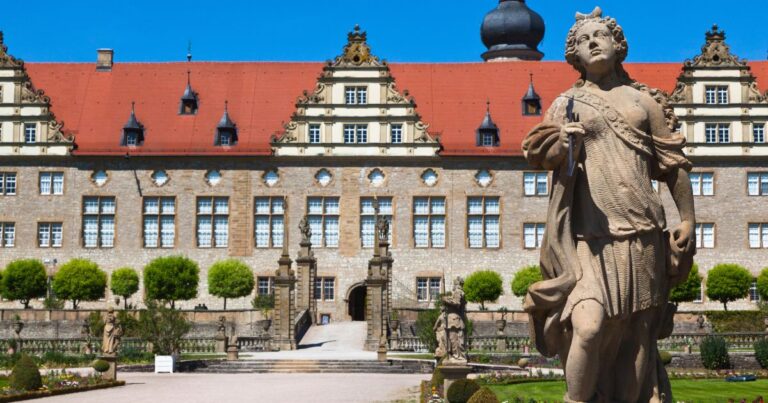
Schwerin Castle is an essential addition to any Northern Germany itinerary. If you’re exploring more Baroque palaces across Germany, you might also want to consider visiting Schloss Weikersheim.
Visiting Schwerin Castle Today: What To Expect
- You’ll enter via the museum entrance on the island.
- Interiors require a ticket; gardens are partly free to explore.
- Photography is allowed in the gardens; interior rules vary.
- The parliament wing is closed to visitors but viewable from outside.
- Expect 2–3 hours inside; more if enjoying the lakeside paths.
The atmosphere is peaceful – Schwerin lacks the crowds of Southern Germany’s palaces, making it ideal for relaxed exploration.
Getting There
- Closest Cities: Schwerin, Hamburg (1 hr), Rostock (1 hr)
- By Train: Regular trains from Hamburg, Lübeck, and Rostock. The castle is a 15–20 minute walk through Schwerin’s Old Town.
- By Car: Paid parking available nearby; the island is pedestrian-only.
- By Bus: Local buses stop close to the Old Town.
- By Tour: Some Northern Germany day tours include Schwerin from Hamburg or Lübeck.
- By Bike: The region offers scenic lakeside cycling routes.
Visitor Information
Hours, ticket details, and seasonal schedules can change – be sure to double-check the official website before planning your visit.
Hours
- Generally open year-round
- Extended hours in summer
- Seasonal variations – especially for gardens and the orangery
Admission
- Separate tickets for the museum, gardens, and special exhibitions
- Family and senior discounts available
- Combination tickets vary by season
Accessibility
- Some areas include stairs
- Partial wheelchair access
- Gardens feature gravel and uneven paths in places
Nearby Attractions
Make the most of your visit by exploring these nearby highlights:
- Schwerin Cathedral – Brick Gothic masterpiece
- Schwerin Old Town – Charming streets and cafés
- Schlossgarten Pavilion – Garden architecture gem
- Lake Cruises – See the palace from the water
- State Museum Schwerin – Outstanding art collections
Frequently Asked Questions About Schwerin Castle
Is Schwerin Castle worth visiting?
Absolutely. Its fairytale setting and opulent interiors make it one of Germany’s best palaces.
How long does a visit take?
Plan 2-3 hours inside, plus extra for gardens and photos.
Can you go inside the castle?
Yes – the museum areas and state rooms are open to the public.
Is Schwerin Castle accessible for those with mobility issues?
Partially. Some staircases limit access; gardens can be uneven.
When is Schwerin Castle open?
Year-round, with seasonal hours. Always check official listings.
Conclusion
Schwerin Castle is one of Germany’s most magical and photogenic palaces – a shimmering masterpiece of lakeside architecture, Romantic-era design, and royal Mecklenburg history. From its golden towers and island setting to its ornate state rooms and sprawling gardens, it offers an unforgettable experience for travelers of all ages.
Whether you’re touring Northern Germany, exploring the country’s grand palaces, or building a full Germany castle itinerary, Schwerin Castle should be at the very top of your list.
If you’re touring Germany’s great palaces, consider adding Sanssouci Palace in Potsdam to your itinerary – a Rococo masterpiece that pairs beautifully with Schwerin’s lakeside grandeur.
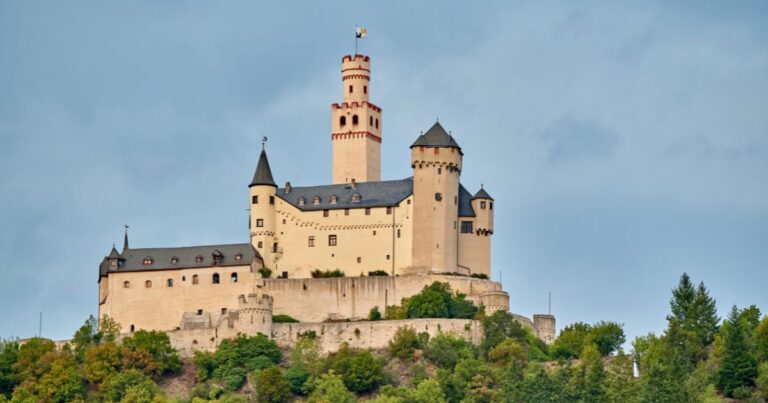
If you’re continuing your journey through Germany’s royal landmarks, both Hohenzollern Castle and Marksburg Castle make excellent next stops as well.