
Castles in Spain: Explore Spain’s Most Stunning Castles & Ancient Fortresses
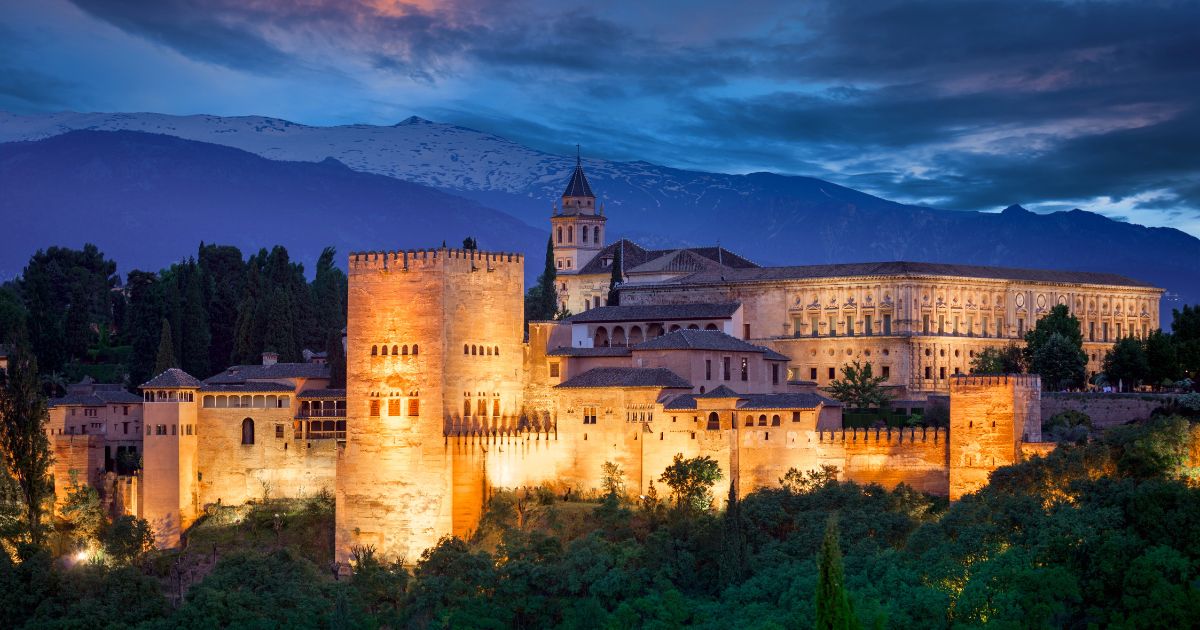
Castles in Spain are some of the most dramatic and diverse in Europe – magnificent Moorish palaces, medieval hilltop fortresses, Islamic alcázares, royal residences, and fairy-tale strongholds rising from rugged plateaus. Spain’s castles reveal a sweeping story of Romans, Moors, Christian kingdoms, epic battles, and enduring artistry.
From the Alhambra’s intricate courtyards to the soaring towers of Segovia’s Alcázar, each castle offers a journey through centuries of culture, conflict, and architectural brilliance.
As someone who spends one to two months in Spain every winter – and has done so for the past decade – I’ve explored many of these castles firsthand, from palace complexes to rugged frontier fortresses.
This guide explores Spain’s most spectacular castles, the eras that shaped them, the regions where they dominate the landscape, and practical tips for planning your ultimate castle adventure.
Key Takeaways
- Spain’s castles span 1,000+ years, influenced by Roman, Moorish, and medieval Christian architecture.
- Regions rich in castles include Andalusia (Moorish palaces), Castile & León (medieval fortresses), Aragón (Islamic + Gothic blends), and Navarre (royal palaces).
- Spain’s most iconic castles include the Alhambra, Alcázar of Segovia, Alcázar of Seville, Coca Castle, Peñíscola Castle, and Loarre Castle.
- Expect ornate courtyards, military towers, walled hilltop towns, Islamic art, Gothic halls, Renaissance additions, and panoramic viewpoints.
- Many castles host museums, night tours, gardens, festivals, and even hotel stays (paradores).
Historical Overview of Castles in Spain
Spain’s castle history is one of the richest in Europe, shaped by Iberian tribes, Roman engineers, Moorish dynasties, Christian kingdoms, and centuries of conflict on the shifting frontier known as the Reconquista.
From the 700s to the 1400s, much of the peninsula was divided between Muslim Al-Andalus and Christian kingdoms to the north. This centuries-long clash produced an extraordinary range of fortresses, palaces, and walled towns designed for both defense and cultural expression.
Moorish rulers built dazzling alcázares – part palace, part fortress – adorned with tilework, courtyards, and gardens. Christian kingdoms responded with imposing stone castles, watchtowers, and military complexes across Castile, León, Aragón, and Navarre.
By the 16th century, many castles shifted toward ceremonial and administrative roles, while others evolved into residences or artistic showpieces influenced by Renaissance and Baroque tastes.
Today, Spain’s castles stand as monumental reminders of multicultural heritage, architectural innovation, and political struggle.
Notable Eras & Architectural Evolution
Spain’s castle history is one of the richest and most architecturally diverse in Europe. Unlike countries where castles followed a mostly linear medieval evolution, Spain’s fortifications were shaped by shifting kingdoms, Islamic dynasties, crusader-style military orders, Renaissance court culture, and dramatic 19th–20th century restorations. Each era left distinct architectural footprints across the Iberian landscape.
Early Fortifications: Romans & Visigoths (1st–7th Centuries)
Spain’s earliest fortified sites were Roman military outposts and watchtowers positioned along strategic roads and frontiers. The Visigoths later adapted some of these structures, adding basic defensive walls and hilltop fortifications. Very few complete examples survive, but remnants can be seen in places like Lugo’s Roman walls, offering a glimpse into Spain’s earliest architectural defenses.
Moorish / Islamic Fortification & Palace Architecture (8th–13th Centuries)
With the arrival of Al-Andalus, castle and palace design underwent a dramatic transformation. Muslim rulers built fortified alcazabas, walled citadels, and exquisite palace complexes that blended military purpose with artistic beauty. Horseshoe arches, intricate tilework, courtyards, water gardens, and geometric decoration became defining features. Landmarks such as the Alhambra, Alcazaba of Málaga, and Córdoba’s Caliphate-era structures reveal the sophistication of Islamic engineering and aesthetics.
Christian Reconquista Castles (10th–15th Centuries)
As Christian kingdoms pushed southward, they built an enormous network of defensive castles, frontier fortresses, and watchtowers. These castles were typically massive stone keeps with thick walls, crenellated ramparts, and commanding hilltop positions designed to hold strategic territory. Many combined Romanesque and Gothic elements, with later additions reflecting growing royal power. Castles like Loarre, Peñafiel, and Coca exemplify the bold military architecture of this era.
Late Medieval to Renaissance Transformations (15th–17th Centuries)
Once the Reconquista concluded, the need for heavy fortification diminished. Castles gradually became residential palaces influenced by Renaissance design. Wider windows, decorative façades, and more comfortable interiors signaled a shift from war to nobility and courtly life. Some fortresses, such as the Alcázar of Segovia, were remodeled into royal residences with elegant halls, ornate ceilings, and sculpted courtyards.
19th-Century Romanticism & Preservation
During the Romantic era, Spain experienced a revived fascination with medieval history. Ruins were celebrated for their dramatic atmosphere, while surviving castles saw restoration campaigns that emphasized Gothic and medieval identity. This period gave rise to the iconic fairy-tale silhouette of the Segovia Alcázar and encouraged the protection of many castles as national monuments. The legacy of 19th-century romanticism still shapes how travelers experience Spain’s castle landscape today.
Architectural Styles & Design Elements in Spanish Castles
Spanish castle architecture is one of the most diverse in Europe, shaped by Roman engineering, Islamic artistry, Christian military expansion, and later Renaissance and Romantic reinterpretations. The result is a blend of defensive ingenuity, aesthetic sophistication, and regional variation unlike anything else on the continent.
Roman Foundations & Early Military Engineering
Before the era of monumental medieval castles, Roman fortifications introduced stone walls, towers, and military grids across the Iberian Peninsula. While few complete Roman forts survive, their influence is seen in later defensive layouts, strategic positioning on high ground, and the integration of watchtowers along important roads and river crossings.
Examples include: Remnants at Lugo and various towers incorporated into later medieval defenses.
Moorish/Islamic Fortification & Palace Architecture
From the 8th to 13th centuries, Islamic builders developed some of Spain’s most iconic fortress-palaces. These structures combined military strength with exquisite craftsmanship. Horseshoe arches, geometric tilework, ribbed vaulting, and ornate courtyards reflected a culture where beauty and defense coexisted. Walls often used rammed earth (tapial) reinforced by square or polygonal towers.
Examples Include: The Alhambra in Granada and the Alcázar of Seville.
Christian Reconquista Architecture (10th–15th Centuries)
During this period, castle design emphasized military strength above all else. Builders used thick stone walls, elevated hilltop positions, multi-tower layouts, deep cisterns, and defensive gates to control strategic territory. Many Christian fortresses were constructed on or incorporated earlier Islamic foundations, creating hybrid architectural layers unique to Spain.
Examples include: Belmonte, Loarre, Peñafiel, Coca.
Late Medieval to Renaissance Transition (15th–17th Centuries)
With growing stability and the decline of large-scale siege warfare, defensive castles gradually evolved into aristocratic residences. Larger windows, Italianate courtyards, and more refined interiors signaled a shift from pure military utility to stately living. Towers remained, but their purpose was often symbolic rather than defensive.
Example: The Alcázar of Segovia embodies this blend, pairing fairy-tale turrets with Renaissance courtyards designed for ceremony rather than combat.
19th-Century Romantic Revival
During the Romantic era, Spain – like much of Europe – rediscovered its medieval heritage. Architects and aristocrats restored ruins or constructed dramatic castle-inspired residences that emphasized nostalgia and national identity. Turrets, crenellations, pointed arches, and picturesque silhouettes echoed medieval forms but served purely aesthetic purposes. This movement is seen in reconstructions such as the rebuilt portions of the Alcázar of Segovia after the 1862 fire.
Famous Castle Regions in Spain
Andalusia (Moorish Palaces & Hilltop Fortresses)
Home to Spain’s most breathtaking Islamic architecture, including the Alhambra, Aljafería, and Alcázar of Seville.
Castile & León (Medieval Christian Fortresses)
This region epitomizes Spain’s classic stone castles—Segovia’s Alcázar, Coca Castle, and the castles of Burgos and Zamora.
Aragón (Romanesque & Islamic Fusion)
Loarre Castle, Aljafería Palace, and the fortified towns of Teruel make Aragón one of Spain’s architectural gems.
Navarre & La Rioja (Royal Palaces & Walled Towns)
Olite Royal Palace and hilltop fortresses dominate this northern wine region.
Valencian Community (Coastal Castles & Mediterranean Views)
Peñíscola Castle, Xàtiva Castle, and Santa Bárbara Castle overlook the sea.
Extremadura (Frontier Fortresses & Templar Sites)
Trujillo Castle and Zafra Castle showcase rugged medieval power.
Top Castles to Visit in Spain
Alhambra (Granada)
Spain’s most iconic fortress-palace, blending exquisite Moorish design, tranquil courtyards, and sweeping views over Granada.
Alcázar of Segovia
A fairy-tale castle with soaring towers and royal history, famously inspiring Disney’s designs.
Alcázar of Seville
A stunning blend of Islamic and Christian architecture with ornate patios, lush gardens, and Mudéjar artistry.
Xàtiva Castle (Valencian Community)
A dramatic twin-fortress stretched along a mountain ridge, offering panoramic views and powerful history tied to the Borgia family.
Castle of Belmonte
A beautifully preserved 15th-century fortress known for its star-shaped defenses and immersive walkable ramparts.
Peñíscola Castle
A clifftop Mediterranean fortress once home to “Papa Luna,” with spectacular sea views and atmospheric stone halls.
Santa Bárbara Castle (Alicante)
A massive hilltop citadel overlooking the Costa Blanca, combining medieval roots with modern exhibits.
Loarre Castle
Spain’s best-preserved Romanesque fortress, perched above Aragón’s plains with unforgettable cinematic scenery.
Olite Royal Palace (Navarre)
A lavish medieval palace of towers, courtyards, and gardens that feels lifted from a storybook.
Aljafería Palace (Zaragoza)
A masterpiece of Islamic architecture later transformed by Christian monarchs, featuring ornate arches and serene courtyards.
Coca Castle
A striking Mudéjar-brick fortress with a deep moat, geometric battlements, and grand towers.
Castillo de Gibralfaro (Málaga)
A hilltop fortress with sweeping coastal views and winding ramparts above Málaga’s port and old town.
Other Noteworthy Spanish Castles
- Castillo de Butrón – Neo-Gothic fantasy castle surrounded by forest.
- Castillo de Manzanares el Real – Near Madrid; a beautifully preserved fortress with towers and walkways.
- Castillo de Cardona – Fortress + parador hotel with spectacular views.
- Xàtiva Castle – A long ridge-top fortress with panoramic views.
- Trujillo Castle – Historic fortress overlooking a medieval town.
- Zafra Castle – Dramatic mountain-top stronghold.
- Castillo de Vélez-Blanco – Renaissance courtyard masterpiece.
- Castle of Javier – A pilgrimage and heritage site with gorgeous mountain views.
Castle Gardens & Landscapes in Spain
Spain’s castle landscapes are as diverse as its history, shaped by Roman engineering, Moorish design, medieval Christian fortifications, and later aristocratic estates. Many sit dramatically on cliffs and rocky outcrops, while others blend with formal gardens, orchards, or terraced courtyards reflecting Islamic and Renaissance influences.
Moorish Courtyards & Water Gardens
Under Islamic rule, architecture emphasized harmony between buildings and nature. Castles and palaces often incorporated enclosed courtyards, shaded porticos, and flowing water that symbolized paradise. These spaces balanced defensive needs with tranquility, using geometric layouts, carved stone, and aromatic plants.
Where to see it:
The Alhambra’s Generalife gardens, the patios of the Alcázar of Seville, and the terraced landscapes of Málaga’s Alcazaba.
Medieval Castle Grounds & Defensive Landscapes
Christian fortresses built during the Reconquista favored rugged terrain and natural elevation for defense rather than decorative landscaping. Surrounding areas were typically simple: rocky slopes, open fields, and sparse vegetation to maintain visibility of approaching armies.
Where to see it:
Peñafiel Castle, Loarre Castle, and Belmonte Castle all sit on exposed ridges that highlight their military origins.
Renaissance & Baroque Gardens
As Spain stabilized, aristocratic castles and palaces adopted formal European garden traditions. These estates featured symmetrical layouts, ornamental terraces, citrus groves, fountains, and sculpted hedges.
Where to see it:
The gardens of the Royal Alcázar of Seville, the Monastery of El Escorial, and the landscaped grounds around the Royal Alcázar of Segovia.
Dramatic Clifftop & Coastal Settings
Some of Spain’s most unforgettable castle environments rely on the power of the landscape rather than constructed gardens. Clifftop fortresses rise above the sea, desert citadels overlook arid plains, and riverside castles command sweeping views.
Where to see it:
Castillo de Santa Bárbara in Alicante, Castillo de Gibralfaro in Málaga, and the coastal walls of Peñíscola.
Modern Restorations & Scenic Walks
Many Spanish castles now integrate walking paths, miradores (viewpoints), and restored historical plantings to enhance today’s visitor experience. Native Mediterranean species—olive trees, cypress, rosemary, and bougainvillea—are common in restored areas.
Where to see it:
Cardona Castle’s scenic trails, the terraced gardens of Coca Castle, and landscaped paths around Olite Royal Palace.
Castle Restoration & Preservation in Spain
Spain’s castles have survived invasions, sieges, earthquakes, abandonment, and centuries of shifting political control. Today, restoration and preservation efforts ensure these fortresses remain structurally sound, historically accurate, and accessible to visitors. Much of the work is overseen by regional governments, heritage foundations, and Spain’s Ministry of Culture.
Many major castles underwent significant restoration in the 20th century after decades of neglect. Castles like Peñíscola, Loarre, and Coca were stabilized, consolidated, and opened to the public with interpretive signage, improved access routes, and reconstructed architectural details. Ongoing maintenance focuses on protecting vulnerable masonry from erosion, restoring damaged battlements, and preserving Islamic plasterwork or Mudéjar ornamentation.
Coastal fortresses and hilltop castles face the greatest environmental challenges, including high winds, earthquakes, and extreme temperature shifts. Inland, vegetation growth and water infiltration require constant management. Increasing tourism also shapes preservation strategies, emphasizing controlled visitor flow, digital interpretation tools, and sustainable conservation methods that balance education with protection.
Spain’s approach blends archaeology, architectural conservation, and cultural tourism, ensuring its castles remain vibrant touchpoints of national and regional identity.
For more about the stewardship and preservation of Spain’s castles and royal sites, visit Patrimonio Nacional, the official organization responsible for maintaining many of the country’s most important historic monuments.
Notable Figures & Events
- Abd al-Rahman I – Founder of the Umayyad state in Al-Andalus.
- Nasrid Dynasty – Builders of the Alhambra’s most exquisite palaces.
- El Cid – Legendary Castilian knight linked to fortresses across Spain.
- The Catholic Monarchs (Ferdinand & Isabella) – Consolidated power and expanded royal castles.
- Charles V & Philip II – Introduced Renaissance influences into castle-palaces.
- The Reconquista (722–1492) – Shaped nearly every major Spanish fortress.
- Spanish War of Independence (1808–1814) – Damaged many castles during Napoleonic invasions.
Castles in Modern Spanish Culture
Spanish castles continue to play a dynamic role in contemporary culture – from film and television to festivals, exhibitions, and national tourism campaigns. Their Moorish, medieval, and Renaissance silhouettes have become instantly recognizable symbols of Spain’s diverse historical identity.
Many filmmakers choose Spanish castles as dramatic filming locations for historical dramas, documentaries, and international productions.
- Loarre Castle – Kingdom of Heaven
- Belmonte Castle – El Cid
- Peniscola Castle – Game of Thrones
Culturally, castles host medieval fairs, knight tournaments, music festivals, holiday markets, and historical reenactments – particularly in regions like Castilla y León, Aragón, and Andalusia. These events draw visitors into immersive experiences of Spain’s Christian, Muslim, and Jewish historical influences.
Castles also function as museums, cultural centers, and spaces for contemporary art exhibitions. Their integration into tourism routes such as Spain’s official Castillos y Palacios network helps highlight regional histories and support local economies.
Together, these roles show how Spain’s castles bridge heritage and modern creativity, remaining central to storytelling and cultural celebration.
Cultural Traditions Linked to Castles
Spanish castles preserve traditions infused with centuries of religious ceremony, military honor, folklore, and regional identity. These customs highlight the layered cultural heritage shaped by Roman, Islamic, and Christian influences.
Festivals are among the most visible traditions. Many castles host fiestas medievales – markets, jousts, Moor-and-Christian reenactments (Moros y Cristianos), traditional music, and costumed parades that bring medieval Spain to life. In towns such as Alcoy or Elche, elaborate reenactments dramatize the shifting power between Christian and Muslim forces, drawing thousands of visitors each year.
Folklore also flourishes around Spanish castles. Legends of hidden treasure, enchanted maidens, warrior ghosts, and Moorish princesses (moras encantadas) appear in nearly every region. These tales deepen the mystique of castles built on cliffs, ravines, and lonely plains.
Music and cuisine are integral parts of castle culture. Medieval banquets, tastings of regional wines, and artisan food festivals connect local gastronomy with historical storytelling. Many castles host concerts or open-air performances that echo traditions of courtly music from Spain’s royal past.
These customs ensure Spanish castles remain living cultural spaces—not only preserved monuments, but venues where history, myth, art, and celebration meet.
Planning Your Castle Tour in Spain
Planning a castle-focused trip through Spain is easy once you understand how spread out the major sites are and how different the regions can feel. Whether you’re weaving through Andalusia’s Moorish palaces or road-tripping across Castile’s medieval strongholds, a little preparation goes a long way. These tips will help you make the most of your time.
Andalusian Moorish Masterpieces
Alhambra → Alcázar of Seville → Gibralfaro → Aljafería (Zaragoza)
Castilian Hilltop Fortresses
Segovia Alcázar → Coca Castle → Peñafiel Castle → Burgos Castle
North of Spain Scenic Route
Olite Palace → Loarre Castle → Butrón Castle → Castle of Javier
Mediterranean Coast Castles
Peñíscola Castle → Santa Bárbara Castle → Xàtiva Castle
Central Spain Easy-Access Route
Madrid → Manzanares el Real → Segovia → Ávila (walls & towers)
Family-Friendly Highlights
Segovia Alcázar → Belmonte Castle → Peñíscola Castle → Olite Palace
Practical Tips For Visiting Castles In Spain
Castle hopping in Spain blends Moorish palaces, hilltop fortresses, and medieval towns with plenty of sun, stairs, and sometimes siesta hours. These practical tips will help you plan around heat, crowds, and opening times so you can enjoy each castle at its best.
Trip Planning Essentials
Regions to consider: Andalusia (Alhambra, Alcázar of Seville, Málaga), Castile and León / Castile-La Mancha (Segovia, Ávila, Belmonte, Coca), Catalonia (Cardona, Tossa de Mar), Aragón (Loarre, Aljafería), and Navarra / Basque Country (Olite, Butrón). Madrid makes a great base for day trips to Segovia, Manzanares el Real, and Ávila.
Getting around: High-speed trains and regional rail work well for major hubs like Madrid, Seville, Málaga, Zaragoza, and Barcelona, with easy connections to nearby castles. A car is helpful for more remote sites (Loarre, Belmonte, Cardona, some coastal or hilltop fortresses). Expect narrow streets and limited parking in historic centers.
When to visit: Spring (April–June) and autumn (September–October) offer the best mix of pleasant temperatures and lighter crowds. Summer brings intense heat—especially in Andalusia—so plan early morning or late afternoon visits. Winter is quieter, but some smaller castles may have reduced hours or weekday closures.
Book ahead: Reserve timed tickets for the Alhambra in Granada and the Alcázar of Seville as early as possible. It’s also wise to pre-book combo tickets or guided tours for busy sites like the Alcázar of Segovia, Castle of Belmonte, and popular city-pass attractions in Madrid and Barcelona.
On-Site Advice & Insider Insights
Prepare for hills, steps, and stone: Many Spanish castles involve steep climbs, ramparts, and uneven stone staircases, especially hilltop fortresses and coastal defenses. Comfortable, grippy shoes are essential.
Plan around heat and sun: Midday sun can be intense, particularly in Andalusia and central Spain. Bring water, sun protection, and a hat. Whenever possible, tour exposed ramparts and towers early or late in the day and save interiors or museums for the hottest hours.
Check opening times carefully: Some castles close for mid-day breaks or have shorter hours outside high season. In smaller towns, you may find limited days or guided-visit-only access—always glance at official sites or local tourism offices before you go.
Photography notes: Interiors may restrict flash or tripods, but courtyards, towers, and ramparts offer spectacular views over historic quarters and countryside. The best light is usually early morning or golden hour, especially at coastal castles and hilltop citadels.
Accessibility considerations: Moorish palaces and medieval fortresses often have tight stairways and uneven floors. More accessible options typically include sites with modern visitor centers, lifts, or adapted routes (large royal complexes and urban castles are usually better equipped than remote ruins).
Food & facilities: Major castles often have cafés or nearby restaurants in the historic center; smaller or more rural sites may have limited options. In many places, you can pick up picnic supplies in town and enjoy them in designated garden areas or nearby viewpoints.
Frequently Asked Questions About Castles In Spain
How many castles are there in Spain?
Over 2,500 fortifications exist, from ruins to palaces.
What is the most famous castle in Spain?
The Alhambra – Spain’s iconic palace-fortress.
What region has the most castles?
Castile & León has the highest density of medieval fortresses.
Can you stay in a Spanish castle?
Yes – Paradores such as Cardona offer castle accommodations.
Are Spain’s castles open year-round?
Most major castles remain open year-round; hours vary by season..
What makes Spanish castles unique?
Unique Moorish-Christian architectural blending and dramatic hilltop settings.
Conclusion
Exploring castles in Spain is an extraordinary journey through Islamic palaces, medieval ramparts, Renaissance halls, and cliffside strongholds. Each site reveals a layered story shaped by centuries of cultural blending, warfare, artistry, and royal ambition.
Whether you’re wandering the courtyards of the Alhambra, climbing the towers of Segovia’s Alcázar, or watching the sea crash below Peñíscola, Spain’s castles offer unforgettable beauty and historical depth.
These remarkable sites remain central to Spain’s cultural identity—living monuments filled with festivals, exhibitions, gardens, legends, and breathtaking landscapes. Wherever your travels take you, Spain’s castles promise awe, inspiration, and endless discovery.